
How the National Trust’s art collections can shape meadow restoration
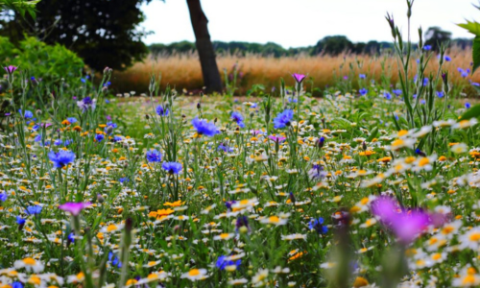
Below is an excerpt from a recent article in The Conversation by Lecturer in History of Art, Samuel Shaw on the role of art history in meadow restoration
“It felt like a thriving environment, but I knew that this meadow could be so much more. Floodplain meadows are hugely important spaces, supporting rare plant communities and providing food for animals to eat during the winter months.
The soils of floodplain meadows are recognised by scientists as an important carbon store, helping to slow floodwaters and absorb nutrients. Many remaining floodplain meadows have been managed in the same way for more than 1,000 years. However, such sites are rare and most meadows are in serious need of restoration.
The diversity and abundance of the plants and animals I encountered at Attingham did not indicate a flourishing ecosystem. While birds such as lapwing had been seen passing through the site, they not been encouraged to stay and breed. The quality of the soil was improving, but only slowly.
After leaving the meadow, I visited Attingham Park, the large house that lies at the heart of the estate. As an art historian with a keen interest in the history and visual cultures of natural sciences, I was hoping to make connections across the trust’s collections. I wanted to find objects in the house that related to what I had encountered in the meadows…”
Request your prospectus

Explore our qualifications and courses by requesting one of our prospectuses today.
Are you already an OU student?


Explore

Undergraduate
Postgraduate
Policy
-
Follow us on Social media
-


