

Our democracy is made worse by casework
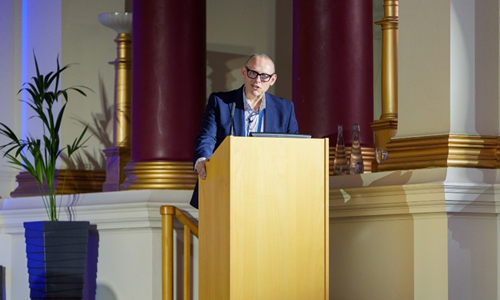
Photo of author
By Leon Spence
(Submitted as part of the Open Politics Student Blogs)
Working as an experienced staffer to a newly elected MP in the days after the 2019 general election, I found myself giving my new boss a crash course in ‘constituency Fridays’. For new, wide-eyed members, every Friday in the constituency is a smorgasbord (sometimes literally) of school visits, supermarket surgeries and, yes, tasting the locally produced delicacies of your farmers and other artisan constituents.
Visibility both in person and on socials is vital for all MPs and one Friday morning I found myself touring the local zoo and speaking with the chair of trustees, a once highly prominent former minister. Our chat turned to my new employer with the former minister telling me, ‘You’ve got a good one there’, and indeed I had. They told me it was very different when they started out; in terms of staff they had employed just one part-time diary secretary. That was it.
The concept of a single staffer was not new to me. I already knew of a very prominent long serving minister in a neighbouring constituency who would only ever take on casework from constituents if he felt deeply motivated by the case in question. In a brief conversation he once told me that it was his job to legislate, not to signpost.
The days of single staffers, even part time ones, are long since gone for all MPs. It’s perfectly normal now for backbench members to employ 5 or so members of staff. There will be the parliamentary assistant, two or three caseworkers, an office manager and a comms officer to write press releases and do social media. All but the parliamentary assistant will seldom come anywhere close to policy work.
But the question is, ‘have the additional staff improved the quality of our politicians or merely changed them from legislators into glorified caseworkers or, worse, signposts?’
As a staffer to several MPs, I would often argue to employers that their important legislative role was being devalued by dealing with housing list appeals, letters in support of Personal Independent Payments and one click petition websites.
The MPs I would talk to would invariably accept the intellectual argument I was making, after all they had been employed by their constituents to write and scrutinise legislation, but their response would always remain the same, and I paraphrase, ‘the campaign for the next election has already started’.
Electoral politics has got to a point where MPs are already in campaigning mode from the moment the Returning Officer ‘hereby declares’ and it is by far the worse for it. Backbenchers are counting how many pieces of casework they have done so they can post socials about it, and woe betide them if they don’t object to every planning application they are petitioned about (despite planning applications very definitely being the role of elected local councillors), because you can guarantee their political opponents will be doing so (and highlighting that the incumbent has not).
As an aside, spare a thought for the MP who doesn’t live in their constituency (or does not move there in haste), although it is likely now that they would never have been adopted by their party in the first place if they do not. Just think, in all likelihood neither Tony Benn or Harold Wilson would have had any chance in being selected for their constituencies nowadays, probably losing out to one term councillors who just happen to be born and bred in the constituency.
At long last, in February The House, the in-house publication of Westminster, reported what every staffer knows “The inexorable growth in casework is stopping MPs from fulfilling their other roles”, highlighting that MPs are now posting casework figures on their social media implying they are dealing with tens of thousand of cases a year. Whilst those figures are almost certainly exaggerated by counting each standardised policy email as a separate piece of casework, all have to be logged, and all have to be sent a standardised reply or the online castigation begins.
The sad truth is that the main culprits pushing this state of affairs are the MPs’ political opponents waiting for the present incumbent to ail so that their cynical hostile campaigning can begin.
The irony is that, at the next election, those opponents that are elected will be faced with the same performative options that help precisely no one, and detract from the role of being a legislator
Growing up in a pit village and after being a butcher and a bailiff, Leon fell into working in politics in the early 2000s. He has been a councillor, office manager and speech writer to a number of MPs. Leon now works in public affairs representing the interests of independent schools and the partnership work they carry out with state schools, civil servants and politicians. Leon started his OU journey during the Covid pandemic to better understand the ideological side of politics and its historical perspectives and now, grades permitting, is thinking about a Masters.
Request your prospectus

Explore our qualifications and courses by requesting one of our prospectuses today.
Are you already an OU student?


Explore

Undergraduate
Postgraduate
Policy
-
Follow us on Social media
-


