

OpenARC PhD Research Brief - Melissa Bailey
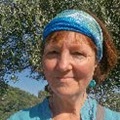
Melissa Bailey
5 year part-time PhD student,
English & Creative Writing
About the researcher
I started out as a teacher of English in a secondary school in Brixton. Later, I became a tutor and regional manager at The Open University. Although I live in North England, I am a dualnational Anglo-Australian and now concentrate on research into Anglo-Australian themes. My partner was a geologist who worked for a major American corporation, and from him I learned about what really goes on in the oil and gas industries. I have drawn on this knowledge in my novel, which is set against the backdrop of the industry. I have learned enormously through reading First Nations fiction and nonfiction about what happened during the settlement of Australia, which has prompted questions about my own family history.
Title
Stories about colonisation: First Nations and Australian fiction as sites of truthtelling
Five key insights about your research
- Before the British arrived in Australia, there were over 250 distinct language groups and territories. The British claimed this land for themselves, ignoring who was already there.
- The British justified seizing the land by claiming that it was terra nullius, i.e. belonging to no one.
- Australia is the only settler-colonial country that has no treaty with its First Nations peoples. New Zealand, Canada, and even the United States made agreements of sorts with their traditional landowners.
- Many workers within the oil and gas industries have profound doubts about the work they do, and increasing numbers are ‘jumping ship’. They know better than anyone about the impacts of their secretive industry.
- It is not only the big four oil companies that are major polluters; thousands of affiliated manufacturing companies produce petrochemicals and routinely release chemicals into rivers and seas in both Australia and the UK.
What is your research about?
I am a storyteller, and my research explores how First Nations and other Australian writers use the novel form to tell stories about colonisation. As part of my thesis, I am writing a family-centred novel that explores truth-telling and how families face or deny truths about the days of empire. My novel is set in the UK and Australia, against the backdrop of oil exploration, and rewrites the colonial adventure story to expose greenwashing, whitewashing, and the toppling of family heroes.
How are you conducting your research?
I visited Australia to explore how writers tell contested histories. At the National Library of Australia, I listened to First Nations Australians recount how they were taken from their families and placed in institutions designed to erase their languages and identities. After hearing around 100 testimonies, I visited the ruins of one such institution. I also read journals and letters from the 1870s written by members of the Overland Telegraph construction teams. Wherever I was, I recorded what I saw and heard in a notebook and through photography.
How does your research benefit wider society?
My research may interest those exploring their family histories or connections to Australia. I address sensitive subjects including the aftermath of sexual violence, which may resonate with those affected by similar experiences. Drawing on Australia’s 65,000-year storytelling tradition, I examine contemporary writers and their engagement with the past. My fiction, set against the backdrop of the oil and gas industry, also speaks to readers concerned about extractive practices and their impacts.


Explore

Undergraduate
Postgraduate
Policy
-
Follow us on Social media
-


