

OpenARC PhD Research Brief - Patricia Ferguson
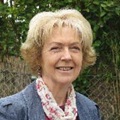
Patricia Ferguson
Final-year PhD student,
English & Creative Writing
About the researcher
I have been a reader of C. S. Lewis all my adult life, first encountering him as an undergraduate specialising in Medieval and Renaissance literature. The Allegory of Love was so compelling that I bought everything of his I could find. Warren later intrigued me, especially after Lewis described them in Surprised by Joy as ‘confederates and allies from the first’. Perhaps inevitably for such a bookish person, I became a librarian. After retiring, I volunteered for The Open University’s Reading Experience Database, researching C. S. Lewis. I enjoyed it so much that I developed the work into formal research and became a PhD candidate at The Open University. I plan to submit my thesis later this year.
Title
Childhood Reading and Lifelong Influence: The Early Literary Formation of C. S. Lewis and Warren Lewis
Five key insights about your research
- C. S. Lewis and the science fiction author Brian Aldiss were good friends. In 1961, they helped to establish the Oxford University Speculative Fiction Group, which still exists today.
- In one of his letters to children who enjoyed his books, C. S. Lewis wrote, “I was born in Holy Ireland, where there are no snakes because, as you know, St Patrick sent them all away.”
- Warren wrote seven books about Louis XIV of France and his courtiers.
- Warren was heartbroken when his typewriter finally broke down in 1967 after thirty five years of use. He had used it to produce The Lewis Papers, all his books, and thousands of his brother’s letters.
- Warren was a fine amateur photographer. The only known photograph of William Kirkpatrick, who tutored both brothers and contributed to their later success, was taken by Warren.
What is your research about?
My research is about reading. Reading changes our lives. It shapes the development of our brains, our thinking, our human relationships. It has certainly done this for me. That’s why I decided to study the way in which the books and magazines that C.S. Lewis and his brother Warren read when they were children and young people affected them throughout their lives.
How are you conducting your research?
My research is mainly archival. I’ve spent many happy hours in the Bodleian Library, Oxford, sifting through The Lewis Papers. This is a vast cache of family papers, diaries and letters that Warren edited when he retired from the Army. It’s such a privilege to be allowed into this private world to read material never intended for publication. It’s a magical experience and has given me an understanding of the Lewis brothers as readers as well as people that I could never have had otherwise.
How does your research benefit wider society?
C.S. Lewis is one of the most widely read children’s authors of all time, but strangely enough, his own experience as a reader hasn’t been widely studied, until now. Warren has been largely ignored, but interest in him has been growing thanks to Don W. King’s biography of him, Inkling, Historian, Soldier and Brother, which was published in 2023. My emphasis on the importance and pleasures of reading is significant at a time when these are under pressure and much discussed.


Explore

Undergraduate
Postgraduate
Policy
-
Follow us on Social media
-


